

Shipping costs are one of the biggest expenses for e-commerce brands—accounting for 15–30% of total revenue for many businesses. And with customers expecting faster, cheaper shipping than ever before, balancing cost and speed is a constant challenge.
The good news? You don’t have to choose between affordable shipping and fast delivery. With the right strategies, you can reduce shipping costs by 15–40% while keeping transit times short.
Below, we share 7 pro tips to optimize your shipping costs—backed by real-world results from brands we’ve helped.
1. Leverage a Global Warehouse Network
Storing all your inventory in one location means paying for long-distance shipping for every order outside that region. A global warehouse network places your products close to your customers, reducing shipping distances and costs.
For example, a U.S.-based brand selling to Europe and Asia can store top-selling products in warehouses in Germany and Hong Kong. This cuts international shipping costs by 30–40% and reduces delivery times from 2+ weeks to 3–10 days.
Pro Tip: Focus on storing your 20% best-selling products in global warehouses—this maximizes cost savings without increasing storage fees for slow-moving items.
2. Negotiate Exclusive Rates with Carriers
Many e-commerce brands use standard carrier rates (e.g., UPS, FedEx) without realizing they can negotiate better deals. Fulfillment providers with large shipping volumes can secure exclusive rates with 400+ carriers—passing the savings on to you.
For example, CLUMN’s partnerships with DHL, Cainiao, USPS, and regional carriers let our clients save 35–40% on shipping compared to direct carrier rates.
Pro Tip: Look for a fulfillment partner that offers volume discounts—so the more you ship, the less you pay per order.
3. Consolidate Shipments
Bulk shipping is cheaper than shipping individual orders or small batches. Consolidating shipments to Amazon FCs, global warehouses or even customers in the same region can reduce freight costs by up to 67%.
For example, instead of shipping 10 small batches of inventory to Amazon each month, consolidate them into 1–2 larger shipments. This eliminates multiple handling fees and reduces carrier costs.
Pro Tip: Work with your fulfillment partner to schedule regular consolidated shipments—this ensures consistent inventory levels while maximizing savings.
4. Optimize Packaging to Reduce Dimensional Weight
Carriers charge based on either actual weight or dimensional weight (whichever is higher). Dimensional weight is calculated using the package’s length, width and height—so oversized packaging can increase shipping costs, even for lightweight items.
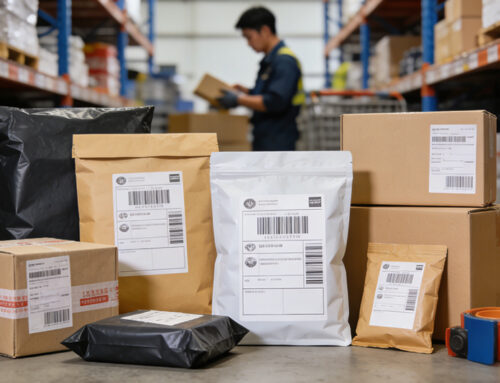
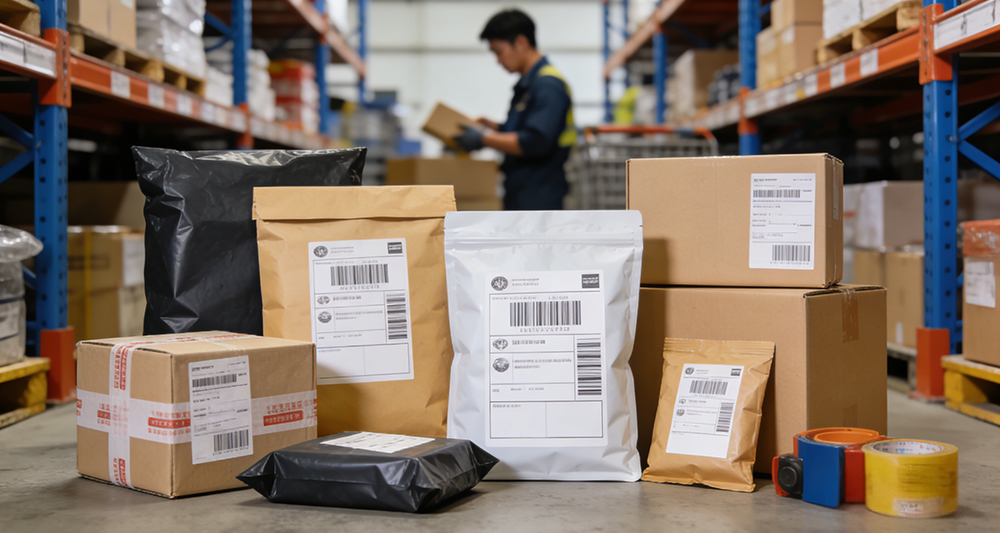
Solution: Use custom packaging that fits your products snugly. For example, a small electronics brand can use slim, padded envelopes instead of large boxes. This reduces dimensional weight and cuts shipping costs by 10–15%.
Pro Tip: Choose lightweight, durable packaging materials (e.g., recycled cardboard, compostable bubble wrap) to reduce both weight and environmental impact.
5. Offer Tiered Shipping Options
Not all customers need express shipping—some are happy to wait a few extra days for a lower cost. By offering tiered shipping options (e.g., Express: 3–5 days, Economy: 7–10 days), you can cater to different budgets while controlling costs.
Pro Tip: Display shipping costs and delivery times upfront on your product pages. This reduces cart abandonment by setting expectations and letting customers choose the option that works for them.
6. Eliminate Hidden Fees
Hidden fees—like Amazon placement fees, re-prep fees, or customs charges—can add up quickly. The best way to avoid them is to work with a fulfillment partner that offers transparent pricing and handles compliance proactively.
For example, CLUMN’s FBA Prep service eliminates Amazon placement fees by using dedicated carrier partnerships, and our customs experts handle all documentation to avoid unexpected charges.
Pro Tip: Ask for a detailed breakdown of all fees before choosing a fulfillment partner—no surprises means better budgeting.
Real-World Result: TechNova Electronics Cuts Shipping Costs by 30%
TechNova, a global electronics brand, was struggling with high shipping costs and slow delivery times. After partnering with CLUMN:
They leveraged our global warehouse network to store inventory close to customers
They used our exclusive carrier rates to save 30% on shipping
They consolidated shipments to reduce freight costs by 45%
Delivery times dropped from 2–4 weeks to 3–10 days
“Shipping costs are now a non-issue for us,” said Mark Chen, TechNova’s Global Logistics Manager. “We can offer fast, affordable shipping to customers in 220+ countries without sacrificing profitability.”
Start Saving on Shipping Today
Reducing shipping costs doesn’t have to mean slower delivery. By leveraging a global warehouse network, negotiating exclusive carrier rates, consolidating shipments, optimizing packaging, offering tiered shipping, eliminating hidden fees and using AI-driven routing, you can cut costs while keeping customers happy.
Whether you’re a small D2C brand or a large enterprise, the right shipping strategy can boost your bottom line and give you a competitive edge.
Leave A Comment